
Monastic Summer Retreat “Yarne” to Be Held in Kalmykia for the First Time in 100 Years
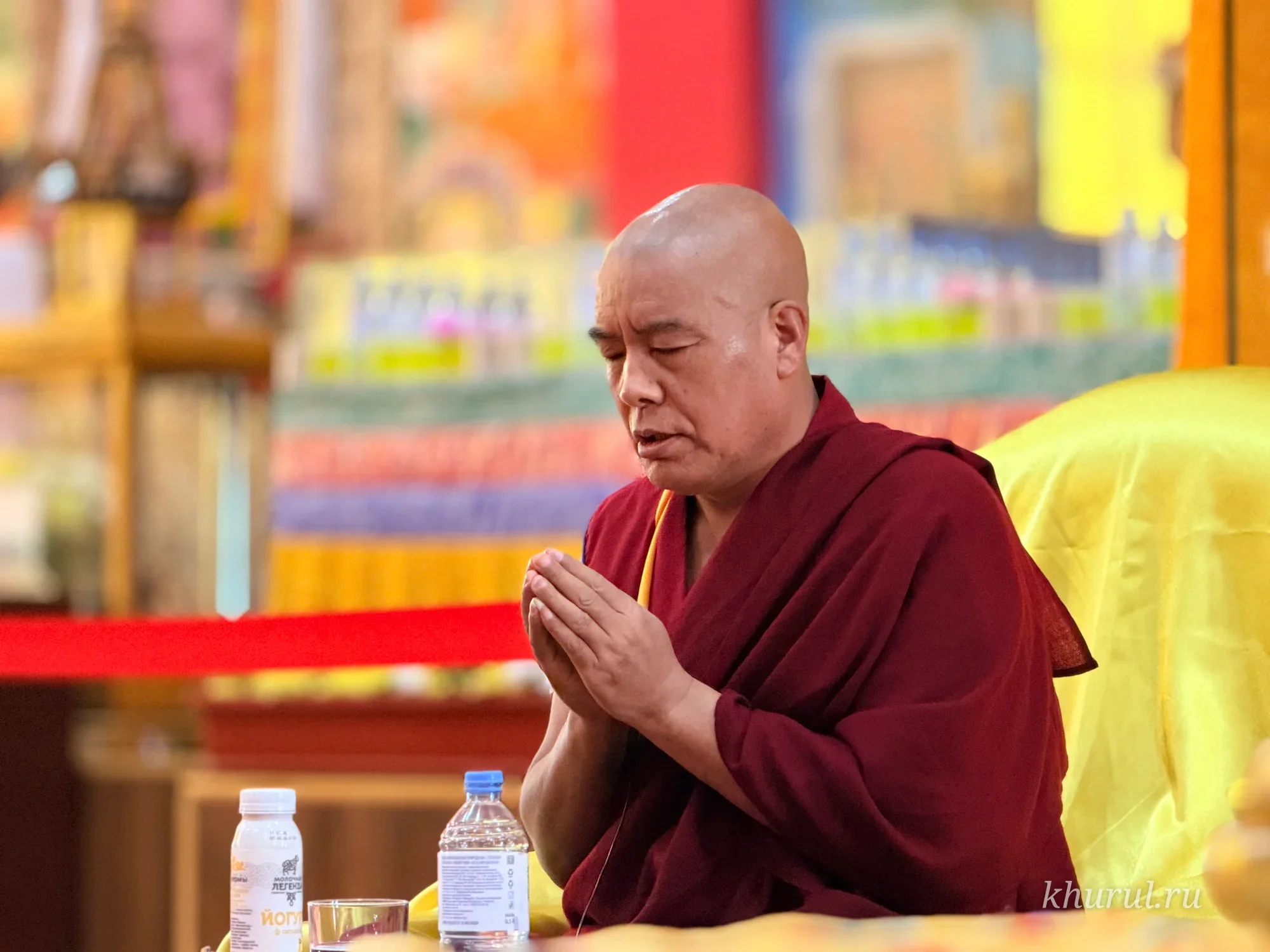
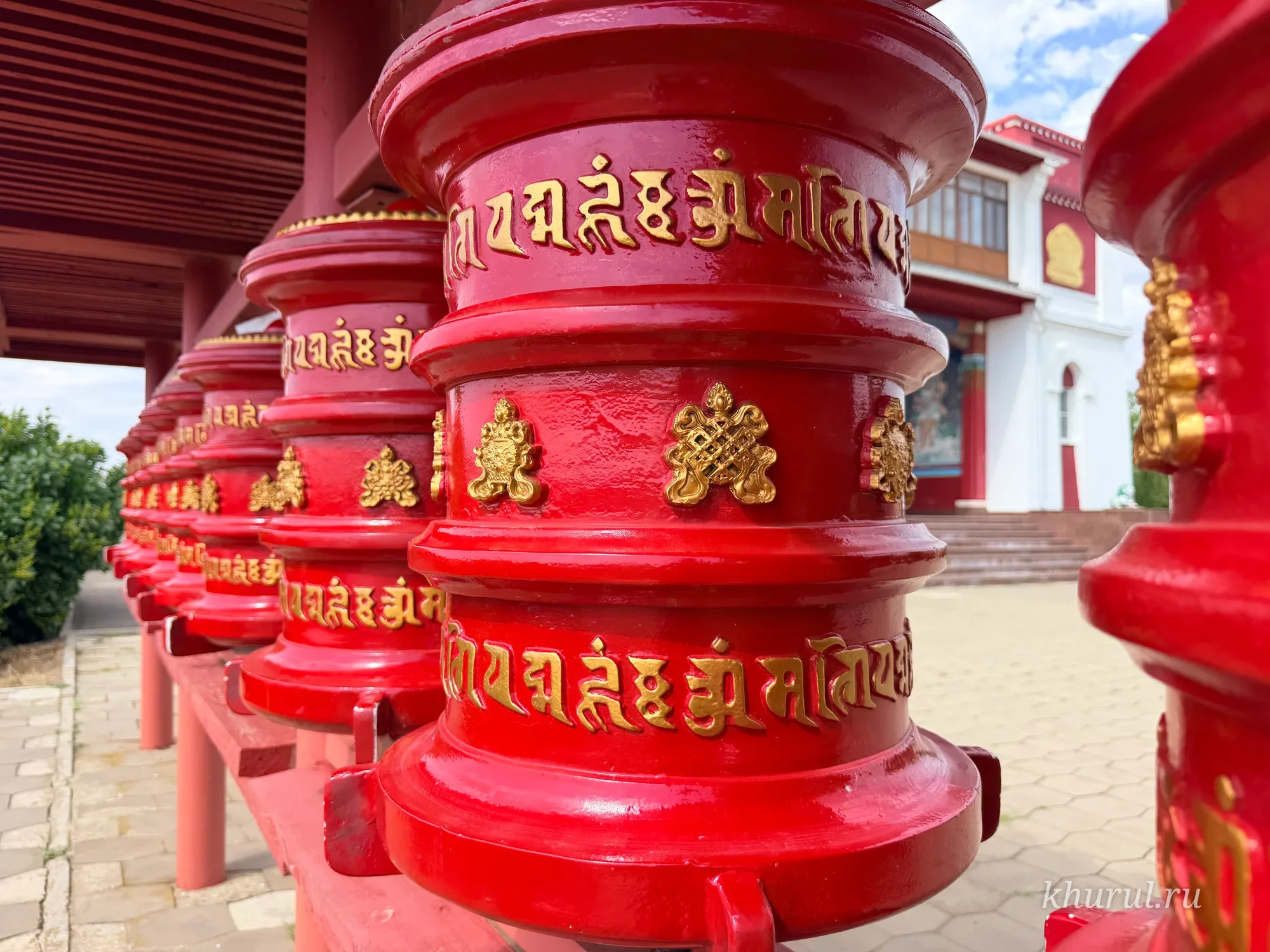
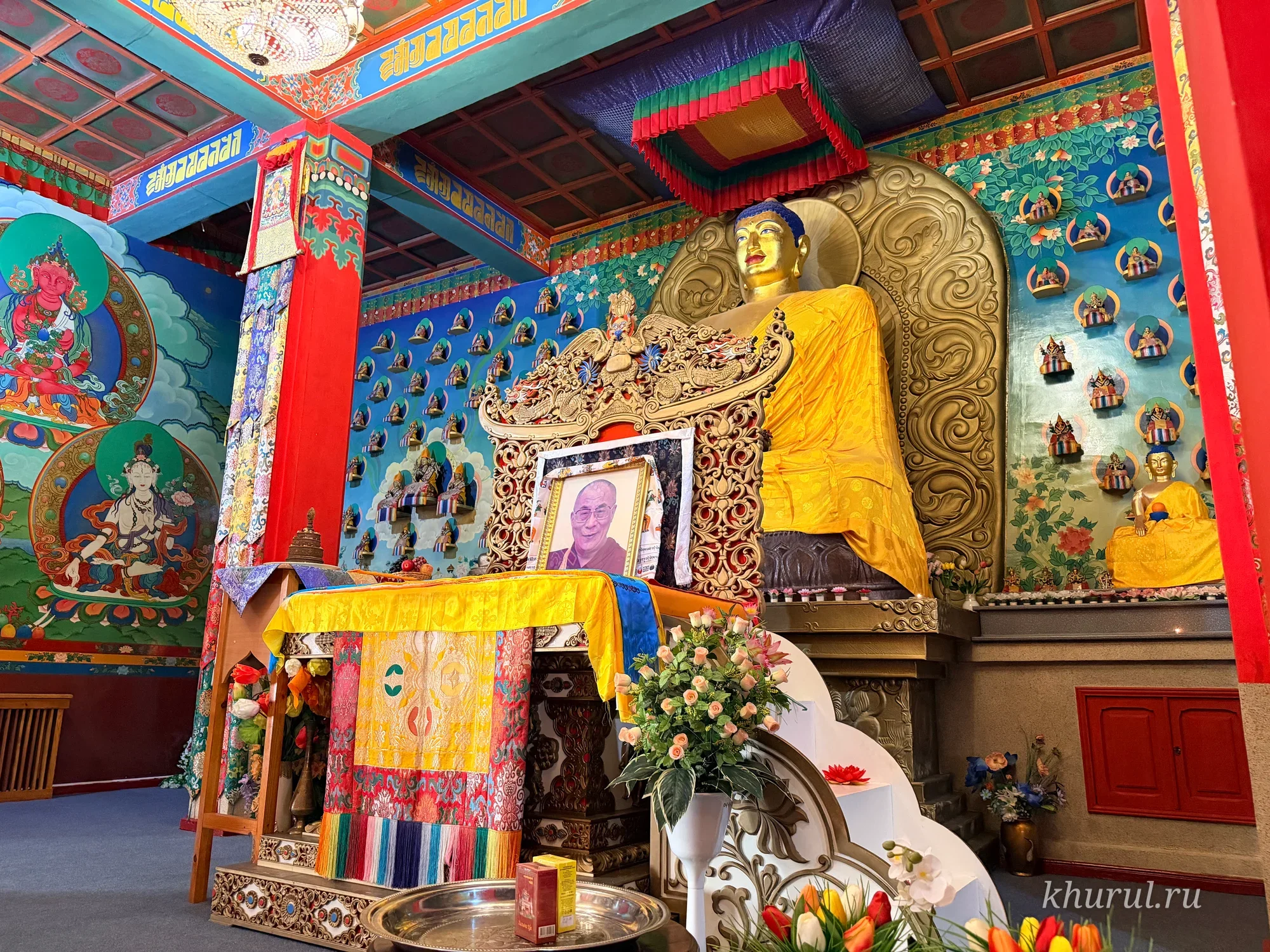
A time of silence and deep practice. At the end of July, some of the monks of the Central Khurul, led by Shajin Lama Geshe Tenzin Choidak, will enter a summer retreat. This special ceremony is called “Yarne.” For 45 days, the monks will withdraw from external affairs and devote themselves entirely to spiritual practice and, consequently, to profound inner work. It is particularly noteworthy that it will be held in Kalmykia for the first time in 100 years. The revival of this significant Buddhist tradition is not simply the restoration of an ancient ritual, but an important step in strengthening the spiritual life of the republic.
This ancient tradition of summer retreat dates back to the time of Buddha Shakyamuni himself. India’s tropical climate brings a particularly large number of insects in summer, and monks would enter retreat for the entire summer to avoid accidentally harming living beings. In this way, they protected even the smallest inhabitants of the world while also deepening their practice.
Yarne is only one of the three key ceremonies that every major Buddhist monastery with gelongs — monks who hold full monastic vows — should strive to conduct. Fortunately, our Kalmyk khurul has precisely such a monastic community.
During Yarne, life at the designated retreat site, which will be Säküsn Süm Temple, follows a special rhythm. The monks’ day is structured around three pillars of spiritual work: listening, reflection, and meditation. Throughout the day, they study sacred texts and strive to grasp the meaning of the words. Then comes the time for reflection: each monk considers what he has heard, relates the Teaching to his own experience, and seeks ways to make it part of his life. Finally comes meditation.
The rules of the retreat are strict, and this strictness has profound meaning. The monks do not leave the designated grounds, which helps them avoid distractions and maintain a focused mind.
Alongside Yarne are other essential ceremonies that sustain the strength and purity of the monastic community. These include Gagye — retreats that help eliminate internal and external obstacles on the spiritual path. Another is Sojong — the practice of purifying and restoring vows, through which monks reaffirm their commitment to discipline and compassion. Together, these three traditions form a strong framework for monastic life, without which the authentic preservation of the Teaching is impossible.
For Kalmykia, the return of Yarne is a special event. One hundred years of silence is an entire era during which many threads of the living tradition were severed. Today, as these threads begin to intertwine once again, we are witnessing not merely the repetition of an ancient ritual, but the birth of new vitality in the spiritual life of the republic.


